Staging The Performance – Painting the Stage
Performance of all kinds – from opera and dance to the spoken-word and many other manifestations in between – has been a site of fascination for artists. With the advent
London of the Victorian and Edwardian period is all around us, so much so that we scarcely register the scale of building, and the ambition and inventiveness of the architecture
In 1863, a 31year old artist exhibited a masterpiece, Luncheon on the Grass (Déjeuner sur l’Herbe) at the notorious Salon des Refusés in Paris. From that moment on, Edouard Manet
Twentieth-century London was characterised by profound change as the emergence of new superpower nations, world wars, and the end of empire caused profound shifts in the nation’s social, economic and
This course will explore the mutually enriching intersection between art and the garden. Often seen as works of art in and of themselves, great gardens have always inspired and delighted
Today the Nordic countries are considered to be politically stable, their populations among the happiest on the planet. This short course will highlight past conflicts and traumatic events, and will
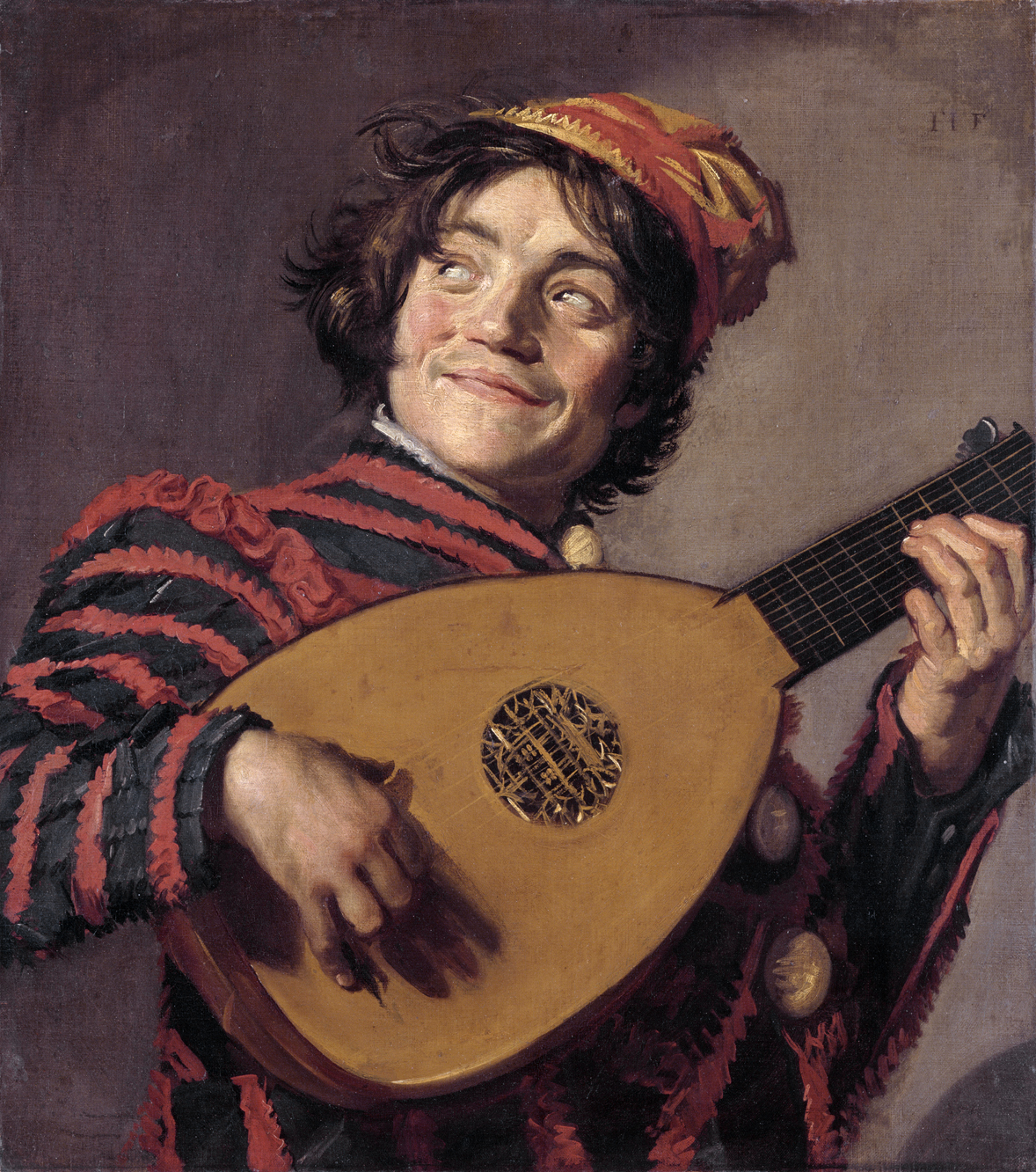
With an eye to important paintings, musical instruments and pictures with musical content, this series explores the world of music found in a range of country houses, museums, and art
What, if anything, has characterised English art over the centuries? What lies behind some of its spectacular periods of success or failure? Through painting, architecture and Nature, this course considers
The Early Medici and Their Artists: Church & Monastery Commissions The Medici family, led by Cosimo de’ Medici in the early 1400s, wielded immense economic and political power in Florence.
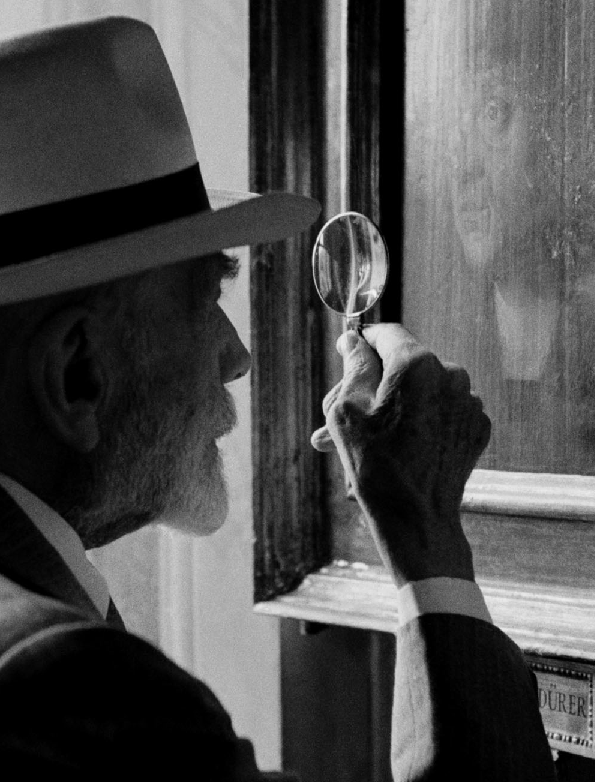
How do we determine which artist might have painted what, hundreds of years ago? The old documents are rarely specific, and not always trustworthy, even when we still have them,
Europe faces a pivotal moment in its history, where debates over unity and diversity hold renewed urgency. This lecture series is the second of two that examine the idea of
‘Germanness’ and nationalism collided with modern movements and cosmopolitanism in the art of Germany from the mid-nineteenth century onwards. Berlin’s Nationalgalerie, founded in 1861 collected only contemporary art unlike other
Thousands of students have undertaken our courses and with the help of our talented lecturers, you too could gain this specialised knowledge.
View on Demand